
About Reiki
Reiki Is More Than Healing
“Not only to heal illness but also to amplify innate abilities, balance the spirit, make the body healthy, and thus help achieve happiness.”
Most people first encounter Reiki as a form of energy healing.
While Reiki is certainly a gentle and effective healing practice, its original purpose was much broader.
Founded in Japan by Mikao Usui (Usui Sensei) in the early twentieth century, Usui Reiki Ryōhō (臼井靈氣療法) was developed as a complete path of self-cultivation—a daily practice of meditation, ethical living, spiritual development, and compassionate service.
Healing naturally arose from this practice.
It was never separate from it.
At the New York City Reiki Academy, we honor this original vision by teaching Reiki not only as a therapeutic art, but as a lifelong contemplative practice.
What Does Reiki Mean?
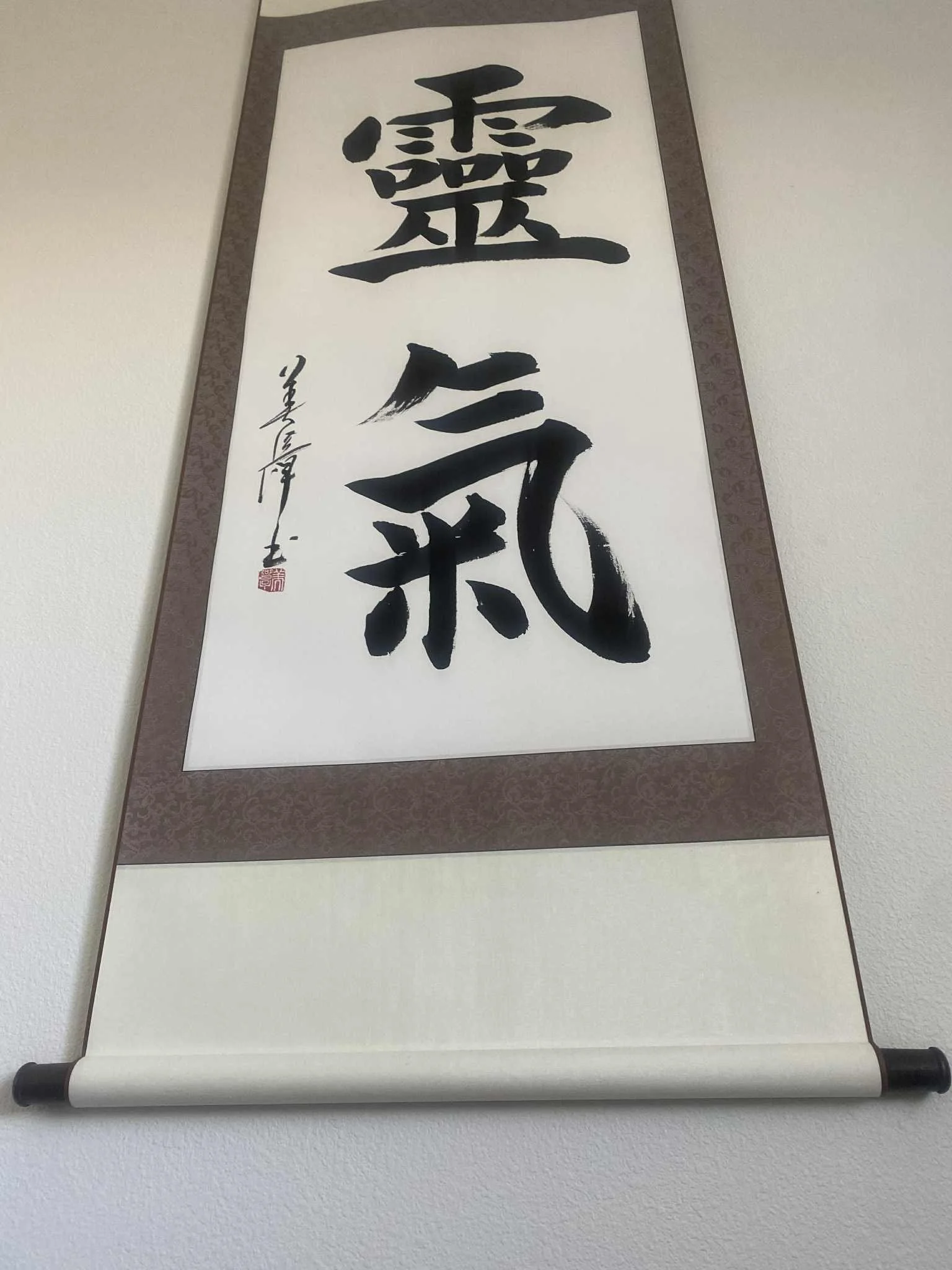
靈氣
Rei (靈)
Spirit • Consciousness • Divine Wisdom
Ki (氣)
Life Force • Vital Energy • Breath
Together, Reiki may be understood as:
"Spiritually Guided Life Energy."
More importantly, Reiki points toward a direct experience of our innate connection with life itself.
Rather than manipulating energy, the practitioner learns to cultivate presence, allowing Reiki to flow naturally through compassion, stillness, and attentive awareness.
What Is Usui Reiki Ryōhō?
臼井靈氣療法
Usui Reiki Ryōhō is commonly translated as:
"Usui's Spiritual Healing Method"
Historically, it was both:
• A traditional Japanese healing art
• A path of meditation and personal cultivation
Students learned through:
• Meditation
• Breath cultivation
• Ethical living
• Self-treatment
• Reiki treatment
• Direct experience
Healing was not viewed as a separate discipline.
It naturally developed through consistent practice.
Reiki as a Living Practice
At the New York City Reiki Academy, we believe Reiki is best understood through experience rather than theory.
Daily meditation.
Daily self-Reiki.
Reflection upon the Reiki Precepts (Gokai).
Compassionate service.
These simple practices gradually cultivate the qualities that Reiki was always intended to develop:
Presence.
Clarity.
Equanimity.
Compassion.
Many practitioners discover that the simplicity and consistency of the practice become the teaching itself.
Reiki is not something to master.
It is something to live.
Traditional Practices of Usui Reiki Ryōhō
Our Academy preserves many of the traditional cultivation methods that formed the heart of early Japanese Reiki practice, including:
• Hatsurei-hō — Reiki Meditation
• Kenyoku — Dry Bath Purification
• Joshin Kokyū-hō — Purifying Breath Practice
• Gasshō — Meditative Centering
• Reiji-hō — Cultivating Intuitive Guidance
• Byōsen Reikan-hō — Energetic Sensitivity
• Reiju — Traditional Blessing & Empowerment
• Gokai — The Reiki Precepts
These practices are introduced gradually through meditation, healing sessions, and private mentorship, allowing students to embody Reiki through consistent experience rather than intellectual study alone.

The Gokai (Reiki Precepts)
Usui Sensei regarded the Reiki Precepts as the ethical heart of Reiki practice.
Just for today...
Do not anger.
Do not worry.
Be grateful.
Do your work honestly.
Be kind to every living being.
Rather than rules to obey, these become contemplations for daily life—guiding the practitioner toward greater awareness, balance, and compassion.
How Reiki Therapy Works
Reiki is offered through gentle touch or, when appropriate, from a distance.
Rather than forcing change, Reiki encourages the body's own capacity for balance, regulation, and restoration.
Clients frequently seek Reiki to support:
• Stress reduction
• Nervous system regulation
• Emotional balance
• Mental clarity
• Spiritual well-being
• Deep relaxation
Many people experience a profound sense of peace during treatment, while others notice subtle changes that unfold gradually over time.
Every experience is unique.
Reiki & Modern Science
Although Reiki originated as a spiritual practice rather than a medical therapy, modern research continues to explore its potential role in supporting relaxation, stress reduction, and overall well-being.
Many practitioners find that regular Reiki practice complements meditation, psychotherapy, conventional healthcare, Yoga, and other wellness disciplines by helping cultivate resilience, presence, and self-awareness.
At the New York City Reiki Academy, Reiki is offered as a complementary practice that supports—not replaces—appropriate medical care.
Experience Reiki
Whether you are curious about Reiki for the first time or seeking a deeper connection with its traditional Japanese roots, there are several ways to begin.
Reiki Meditation & Mindfulness
Experience the contemplative heart of Reiki through weekly guided practice rooted in Hatsurei-hō, breath cultivation, mindfulness, and Reiju.
Private Reiki Healing
Receive individualized Reiki sessions designed to support deep relaxation, energetic balance, and nervous system restoration.
Private Reiki Training & Mentorship
Study Usui Reiki Ryōhō through personalized one-on-one instruction, traditional Reiju, meditation practice, and ongoing mentorship from beginner through Master Teacher.
Begin Your Practice
Reiki is ultimately understood through experience.
Whether you join us for meditation, healing, or private training, we invite you to begin where every practitioner begins:
With practice.